

From Online Content to Local Delivery
In its article titled “Two years of OpenAI Academy,” OpenAI describes OpenAI Academy as an AI skills program for developers, educators, small-business owners, nonprofit leaders, and other community members. The program is intended to help people apply AI to everyday work. Since launching in September 2024, it has hosted more than 250 events, reached more than four million people through its content, and is now piloting the OpenAI Academy Community Trainer Program, in which partner organizations nominate staff to learn the curriculum and workshop facilitation methods.
The important change is not simply the release of more courses. OpenAI is beginning to address the delivery problem in AI education. As models and tools change quickly, documentation and self-paced learning do not by themselves answer a more practical question: how does a teacher, small-business owner, or developer embed a tool in ongoing work and decide whether its output is trustworthy? The Community Trainer Program extends that coaching function from OpenAI to trusted organizations embedded in local communities.
The Unit of Training Is the Workflow, Not the Prompt
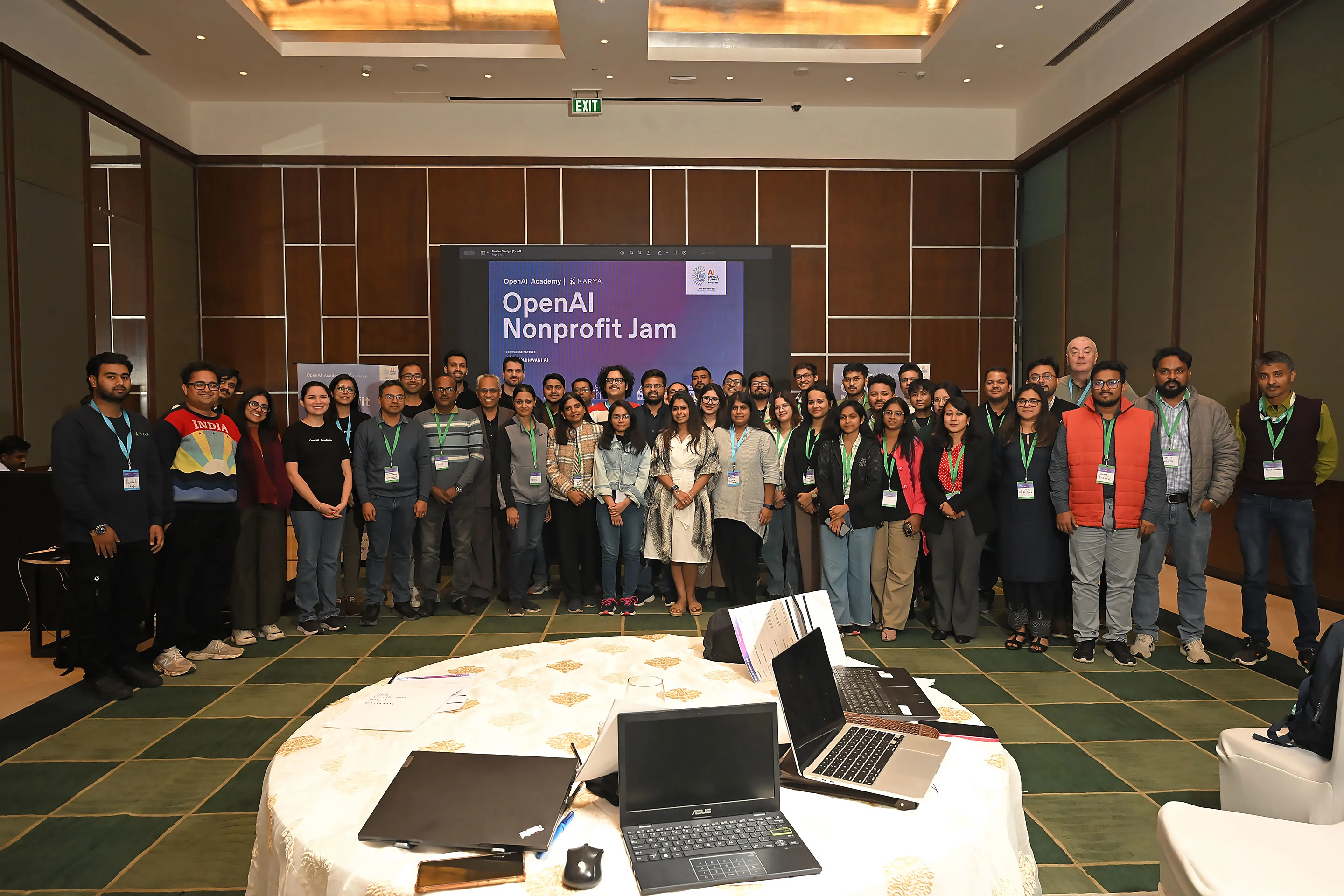
Academy’s design is no longer centered on tool knowledge alone. It combines self-paced courses, practical guides, workshops, and large multi-site events called AI Skills Jams. It has also introduced learning paths for knowledge workers, developers, leaders, educators, and college students. Learners can select material relevant to their roles and earn course badges after passing assessments, while the examples focus on concrete tasks such as adapting a lesson, creating a repeatable customer-research process, or using Codex to plan and implement a code change.
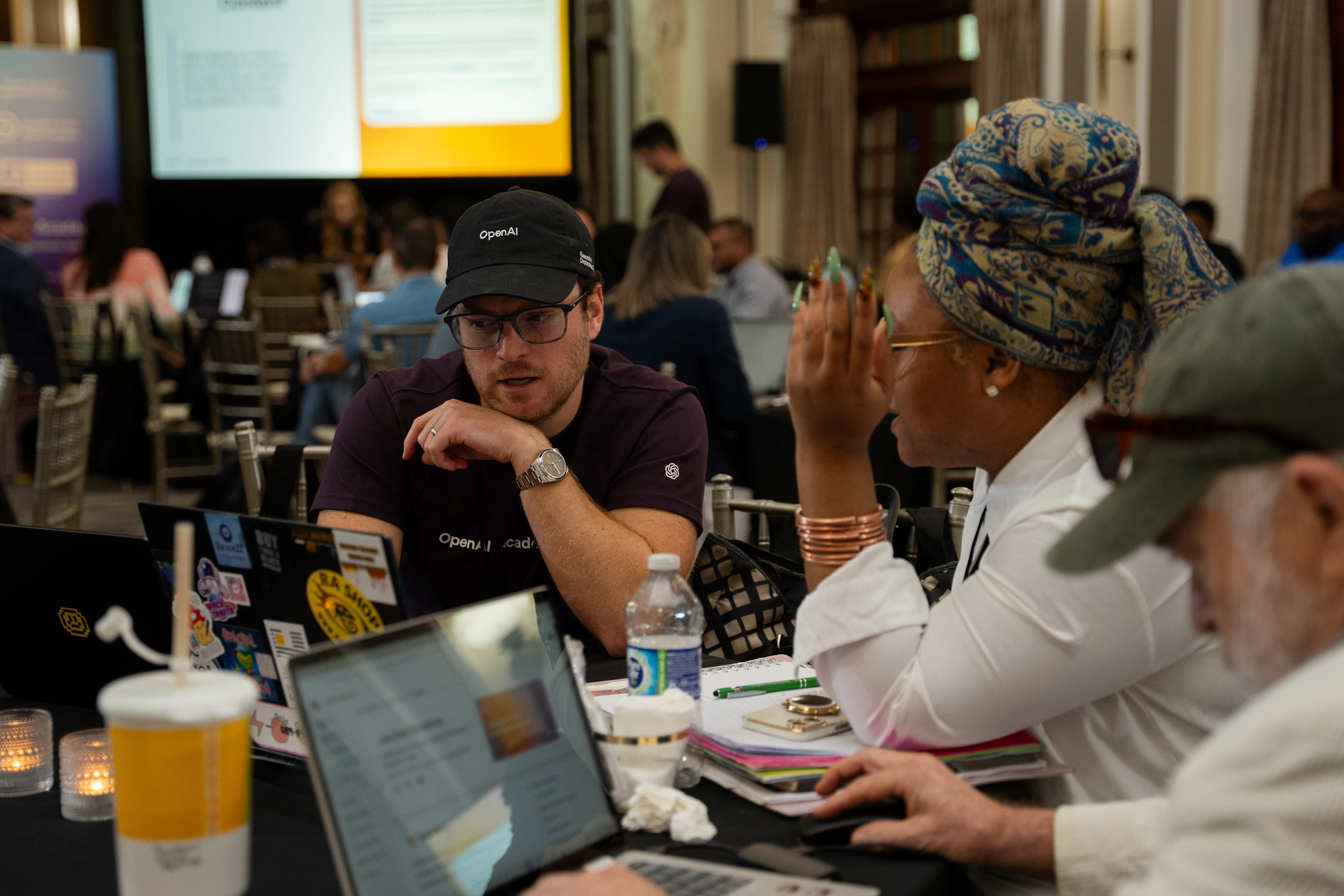
This shifts the definition of AI competence from knowing a collection of prompts to completing a reusable and reviewable workflow. The workshop format matters because participants get dedicated time to work on tasks that matter to them, learn from peers, and receive coaching from OpenAI mentors. The Community Trainer Program asks facilitators to demonstrate workflows, help participants apply them to their own work, encourage peer learning, and support result evaluation. They must complete training and a facilitation assessment before leading Academy sessions.
The Scale Data Shows Reach, Not Outcomes
The examples from OpenAI show why this delivery model depends on partners. Its AI Skills Jam for K–12 educators brought together more than 1,600 teachers, administrators, and district leaders across eight U.S. cities. The program also works with schools, workforce organizations, small-business networks, and community groups to offer recurring workshops for small-business owners, educators, veterans, and nonprofit leaders. These partners are not merely enrollment channels. They bring trusted relationships and can shape programs around the work and problems of a particular community.
For technology leaders, this is closer to an implementation architecture than a generic AI usage guide. A central team can maintain baseline material, review expectations, and known tool limitations, while local facilitators translate those principles into role-specific tasks and use feedback to identify workflows that actually work. OpenAI says it will continue developing courses, workshops, and AI Skills Jams based on input from participants and partners. The partner network could therefore become an application-feedback layer, not only a way to increase reach.
A Facilitator Network Also Multiplies Governance Risk
The figure that most requires restraint is the claim that more than four million people have engaged with Academy content. The material does not disclose completion rates, sustained usage, changes in job performance, or business outcomes. It therefore demonstrates reach and program scale, not productivity improvement. Even if course badges require assessments, the available information does not show whether those assessments measure durable workplace capability or cover security, privacy, and review requirements across different organizations.
The Community Trainer Program also turns quality control into a network-governance problem. Different partners may hold different views of model capability, output verification, and appropriate use boundaries. As the number of facilitators grows, so does both coverage and the possibility that misunderstandings will spread. Organizations adapting this model should begin with a small number of observable workflows, require evidence of process and result evaluation, and track actual usage after training rather than substituting registrations or event counts for outcomes. For OpenAI, facilitator certification, curriculum versioning, failure cases, and boundary guidance need to become permanent operating controls for the network.